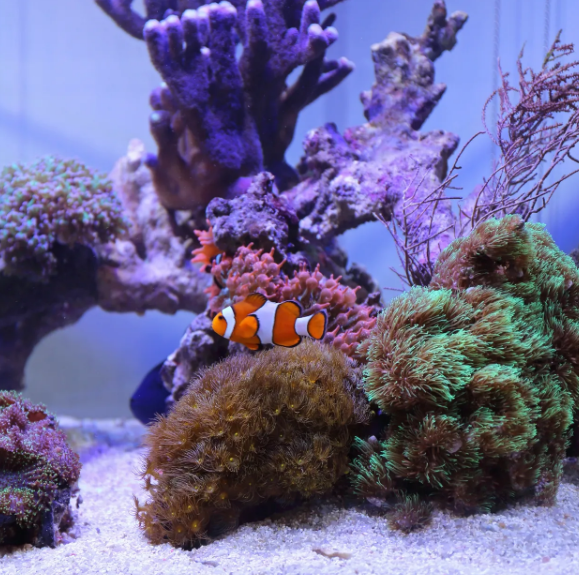
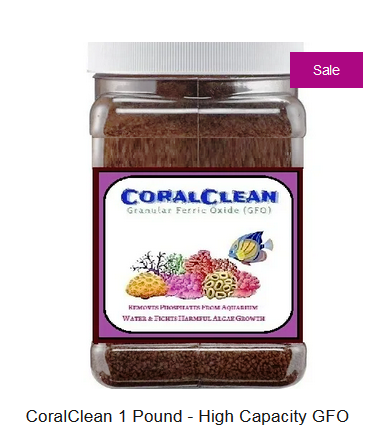
How Granular Ferric Oxide ( GFO ) Improves Aquarium Health
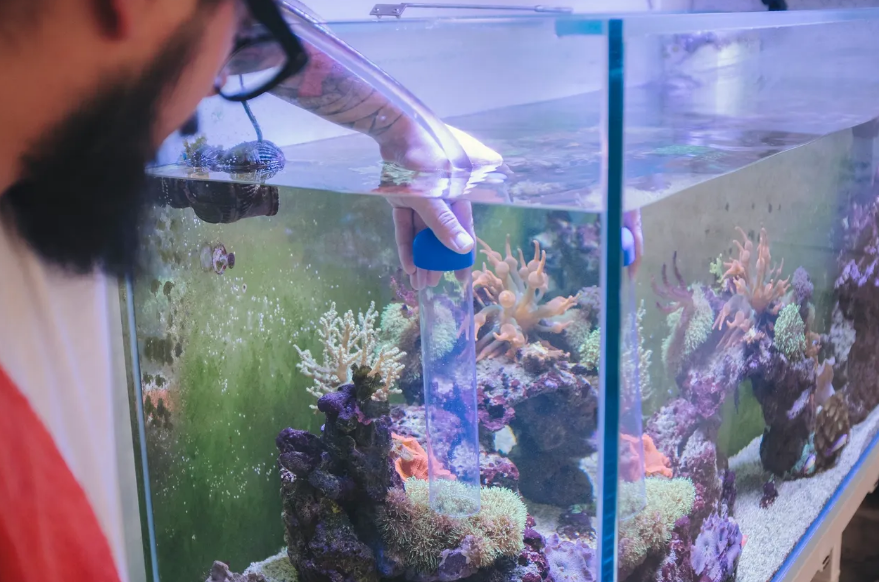
Dive into the Science Behind Healthier Aquariums
Granular Ferric Oxide (GFO) is emerging as an essential tool for maintaining clean, balanced aquarium environments. With its proven ability to reduce phosphates, GFO plays a key role in preventing algae blooms and enhancing water clarity. In this introduction, you will explore how this advanced filtration media works to remove unwanted compounds, setting the stage for thriving aquatic life.
Understanding GFO starts with recognizing its dual benefits: improved water quality and support for vibrant coral growth in both freshwater and saltwater tanks. You can expect to learn about:
- Mechanisms of Phosphate Removal: How GFO traps and eliminates excess nutrients.
- Actionable Maintenance Tips: Practical steps for incorporating GFO into your filtration system.
- Key Performance Insights: Guidelines for monitoring water parameters and optimizing usage.
Whether you’re a seasoned aquarist or just beginning to dive into aquarium care, this guide will equip you with the insights needed to harness GFO’s potential for a healthier, more dynamic tank environment. Get ready to transform your aquarium care routine with practical strategies built on science and industry expertise.
Elevate Your Aquarium’s Balance with Phosphate Control
Aquarium enthusiasts know that managing water quality is crucial for a thriving underwater ecosystem. By effectively reducing phosphate levels, granular filtration media serves as a key ally in the fight against unsightly algae outbreaks. Lower phosphate concentrations not only inhibit algae proliferation but also promote water clarity and support the natural growth of coral, creating a healthier environment for aquatic life.
Key benefits include:
- Algae Prevention: Lower phosphates help curb unwanted algae growth, maintaining a pristine aquarium.
- Improved Clarity: Clearer water enhances both the visual appeal and overall health of your aquatic habitat.
- Enhanced Ecosystem Stability: Balancing chemical levels can lead to a more resilient and vibrant community of fish and coral.
Actionable tips for success:
- Regularly test water parameters to ensure phosphate levels remain within optimal ranges.
- Incorporate granular filtration media into your maintenance routine for sustained water quality.
- Adapt your approach based on local water conditions, especially if you’re in coastal areas or specific regions with unique water chemistry.
Embrace these strategies to naturally balance your aquarium’s ecosystem and enjoy a thriving, vibrant underwater world.
Top 7 Benefits of Integrating GFO for Enhanced Coral Growth and Water Clarity
Aquarium enthusiasts seeking to elevate their tank’s health will find remarkable advantages in incorporating Granular Ferric Oxide (GFO) into their filtration routine. Here are seven compelling benefits:
- Phosphate Reduction Power: GFO excels at lowering phosphate levels in the water, aiding in the prevention of algae blooms and creating an optimal environment for coral development.
- Enhanced Coral Vitality: By reducing nutrient overload, GFO fosters a setting where corals can thrive, promoting robust growth and vibrant coloration, essential for a healthy reef ecosystem.
- Superior Water Clarity: As phosphates are diminished, particulate matter settles more efficiently—resulting in clearer, more visually appealing aquarium water that highlights the beauty of aquatic life.
- Optimized Biological Balance: Stable water chemistry supports beneficial bacteria, ensuring a balanced ecosystem that minimizes stress on sensitive coral species.
- Cost-Effective Maintenance: With improved water conditions, routine cleaning becomes less daunting, saving time and resources while preserving the aquarium’s natural state.
- User-Friendly Application: GFO is easy to integrate into existing filter systems, making it a practical choice for both seasoned hobbyists and newcomers.
- Local Expertise Support: Aquarium owners in diverse regions can rely on GFO’s consistent performance, ensuring high standards regardless of local water conditions.
Mastering GFO Application: A Step-by-Step Tutorial
Begin by ensuring your tank’s water parameters are stable for GFO integration. A well-maintained environment maximizes the effectiveness of the granular ferric oxide treatment in reducing phosphates and controlling algae.
- Assess Your Aquarium: Check pH, salinity, and temperature to ensure conditions align with healthy coral and fish life. Regular monitoring is key for any treatment.
- Prepare the GFO Media: Rinse the granular ferric oxide thoroughly in dechlorinated water. This step removes any fine particles that could cloud the water.
- Introduce GFO Gradually: Slowly replace a measured part of your filter media with GFO. Aim for a controlled dosage to avoid sudden changes. Best practice tip: Start with a small amount and adjust based on water clarity over time.
- Monitor and Adjust: Over the next few days, test phosphate levels and observe changes in water clarity. If needed, tweak the GFO quantity or contact local aquarium experts for tailored advice.
- Maintain Regular Cleaning: Clean your filter system and periodically refresh the GFO media to sustain optimal performance.
Follow these steps to achieve a balanced habitat that promotes vibrant marine life and crystal clear water.
FAQ: Navigating GFO and Aquarium Maintenance
What exactly is Granular Ferric Oxide (GFO) and how does it benefit aquariums?
GFO is a specialized filtration media designed to reduce phosphates in both freshwater and saltwater tanks. By lowering phosphate levels, it limits algae overgrowth, enhances water clarity, and creates a balanced environment for aquatic life.
How does GFO help control common aquarium issues?
By effectively binding phosphates, GFO addresses two major aquarium concerns—algae outbreaks and diminished water quality. This targeted approach supports healthier aquatic ecosystems and can be especially beneficial in regions with fluctuating water conditions.
How frequently should GFO media be serviced or replaced?
Maintenance frequency depends on your tank’s bioload and overall water quality. Regular monitoring through water tests can help determine when GFO media needs regeneration or replacement, ensuring consistent environmental stability.
Can GFO be safely used in various aquarium types?
Yes, its versatility makes it a trusted choice in freshwater, saltwater, and reef aquariums, providing practical benefits across diverse setups.
What practical tips support long-term tank health with GFO?
- Regular water testing
- Careful media dosage
- Routine maintenance checks
These practical guidelines empower aquarium enthusiasts to maintain vibrant, healthy tanks locally and beyond.
Final Thoughts: Elevate Your Aquarium Health with GFO
Embracing Granular Ferric Oxide as a filtration media can revolutionize your aquarium maintenance routine. This straightforward approach not only minimizes algae outbreaks but also improves water clarity and supports vibrant coral growth by effectively reducing phosphates. By considering GFO, hobbyists and aquarium professionals alike can witness a visible transformation in water quality and overall ecosystem balance.
Key takeaways include:
- Enhanced water clarity and reduced algae accumulation
- Improved conditions for coral health, making aquariums more visually appealing
- A proactive method to manage phosphate levels in freshwater and saltwater systems
- Practical application in both small home tanks and larger professional setups
For those looking to optimize their aquatic environment, consider integrating GFO into your filtration systems. Start by evaluating your current setup and identify areas where phosphate buildup may be affecting your water quality. With a few simple adjustments, you can pave the way to a healthier, more stable aquarium.
Take charge of your aquarium’s health today—your aquatic companions will thank you for it!